Drones as a service
Access to technology without making aircraft ownership the only option.

Colombian engineering for agriculture
We create drones, software, and autonomous operation services to help agricultural producers monitor their land, better understand their crops, and protect their resources without unnecessary technical complexity.
Our story
JDDRONES was born from an alliance between two Colombian entrepreneurs: one with experience in commerce and the other specialized in technology.
We combine our knowledge to bring software, artificial intelligence, and robotics to companies that need practical, accessible solutions adapted to their reality.
As a JJRoss Global Creations brand, we are extending our experience in digital systems into aerial robotics.
Accessible technology
We want to reduce the barriers of buying specialized equipment, learning to pilot it, and maintaining the entire infrastructure. Autonomy should solve problems, not create more complexity.
More than an aircraft
We are designing a service that turns autonomous flights into useful information without leaving customers to manage the technical complexity alone.
Access to technology without making aircraft ownership the only option.
Flights defined around the terrain, frequency, and expected result.
Images and data organized to support understandable decisions.
Customers do not need to become pilots or manage the technology.
Rental, supported operations, and recurring plans are models under design; they are not yet an available commercial offer.
Starting close to home
Our first phase focuses on short-range, low-altitude flights in controlled operations, primarily in rural environments.
Diagnosing pests, disease, or plant stress requires sensors, validated models, and agronomic support. It is a future research line, not an available capability.
Concept family
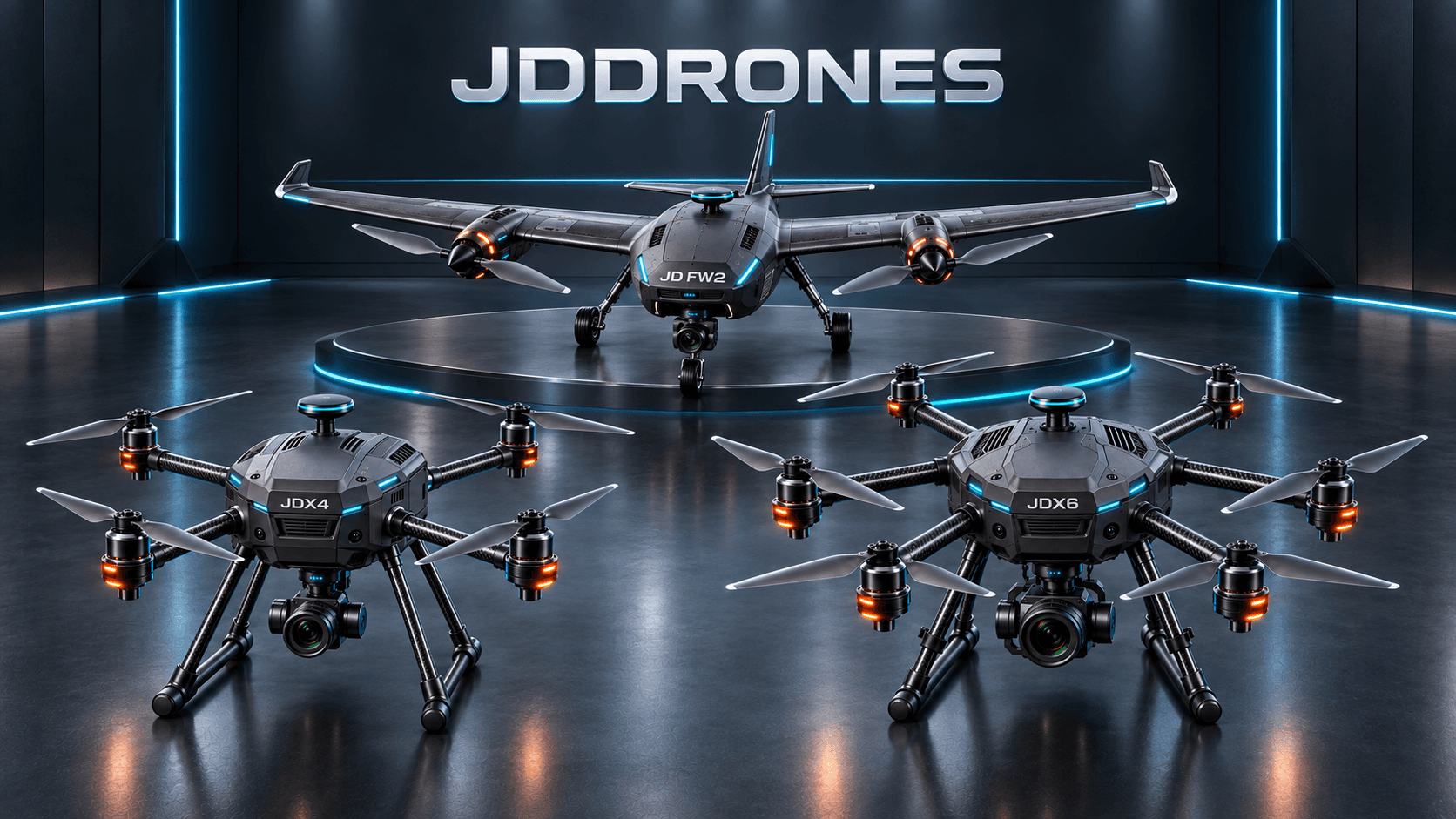
These concepts help us define capabilities and industrial language. They are not manufactured products or confirmed commercial specifications.
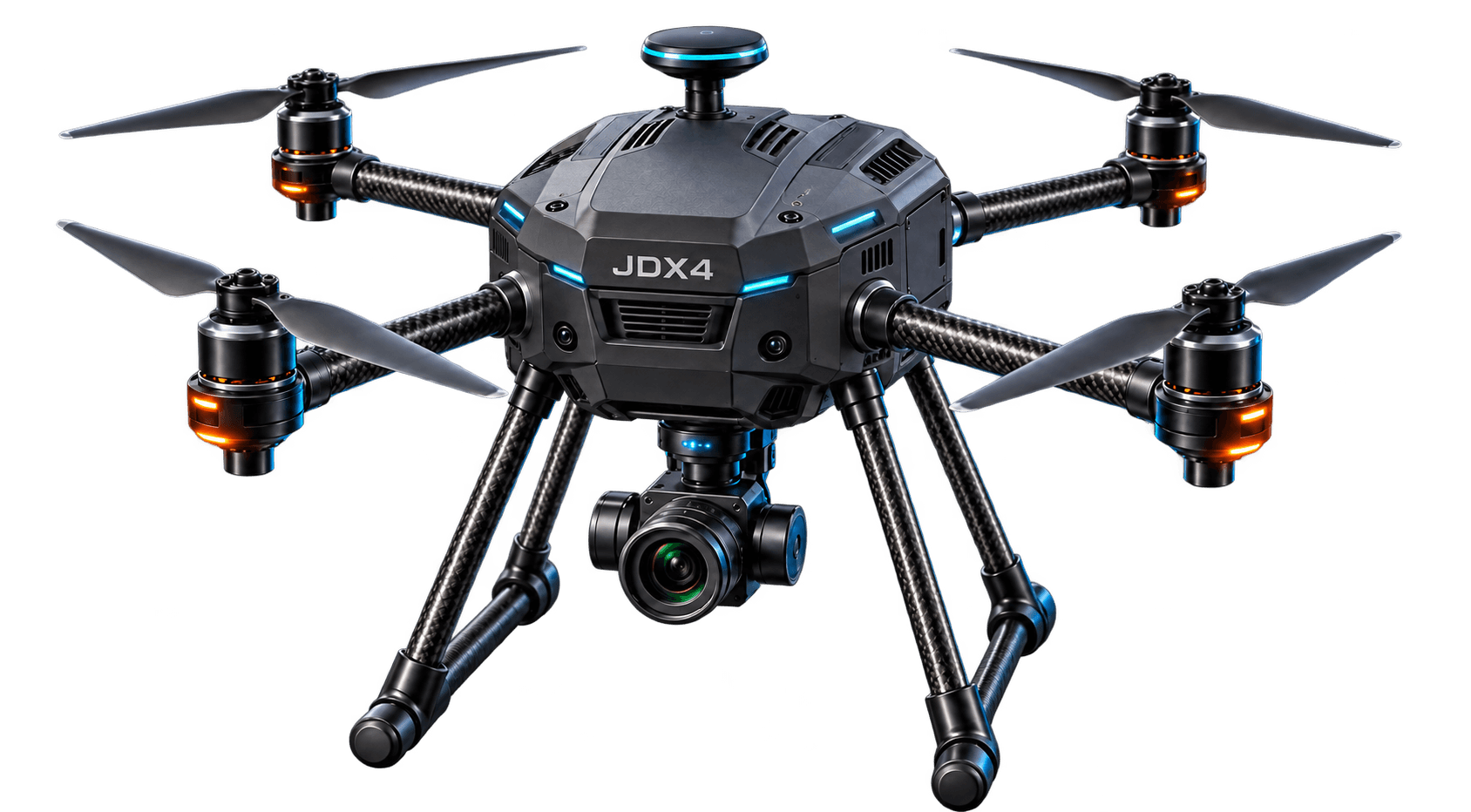
Quadcopter and first physical research platform.
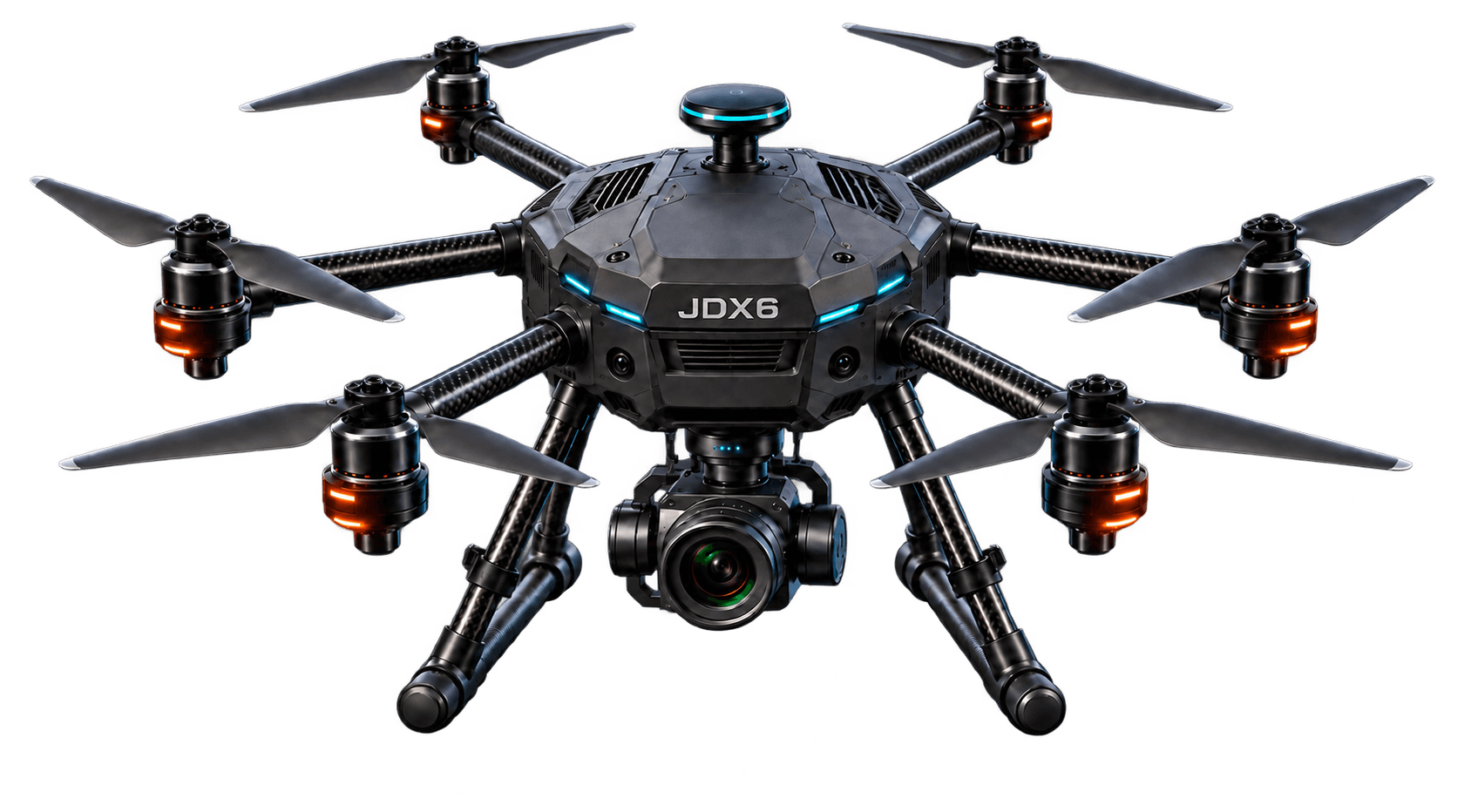
Hexacopter exploration focused on robustness and capacity.
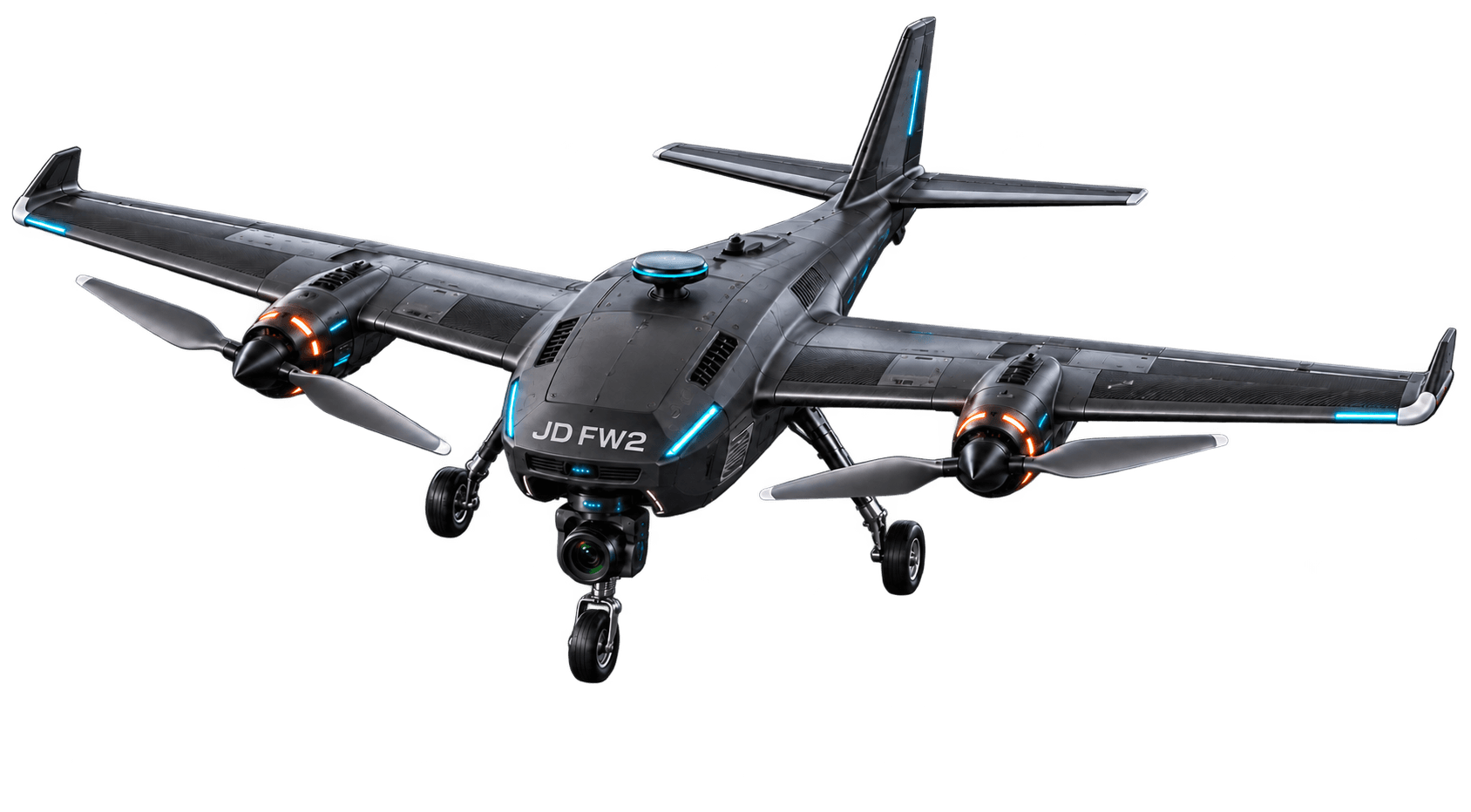
Twin-engine fixed wing concept exploring range and efficiency.
Useful autonomy
The architecture separates critical flight functions, onboard processing, connectivity, and information delivery.
A dedicated controller for navigation and deterministic failure procedures.
Local processing sized and validated for each type of mission.
Supervision and synchronization without making the Internet the only safety barrier.
Software that organizes data, findings, and understandable results.
Raspberry Pi and Jetson are candidate platforms. Selection will depend on energy use, weight, temperature, interfaces, and real-world testing.
Operating model
The value is not just in flying. It is in delivering information the customer can understand and use.
We define the need and the outcome that truly matters.
We review terrain, conditions, restrictions, and safety criteria.
We conduct the mission in an authorized, controlled environment.
We process the data and present an understandable result.
Transparent development
We do not present aspirations as results. Every capability must go through simulation, controlled testing, and technical validation.
A physical prototype and short-range agricultural missions.
JDX6 and JD FW2 explore possible future capabilities.
Urban operations only with regulation, certification, and sufficient evidence.
Frequently asked questions
These answers describe the current project scope and will evolve as we validate new capabilities.
No. JDX4 is in development; JDX6 and JD FW2 are visual concepts. We have not published commercial specifications or availability dates.
Our model aims to let you contract a mission and receive useful information without taking on all the technical complexity. This service model is still under design.
Visual monitoring of livestock and pastures, inspection of fences and infrastructure, crop tracking, and observation of hard-to-reach areas.
We design critical functions so they do not depend on a continuous connection. Each behavior must be validated through simulation and controlled testing.
That is a future vision. We will only advance in urban environments when the necessary regulation, certifications, safety, and technical evidence are in place.
Let us talk
Every farm and every company is different. We want to understand the problem before recommending an aircraft, an application, or an automation.